
Deck Repair Kansas City: 10 Signs Your Deck Needs Immediate Repair
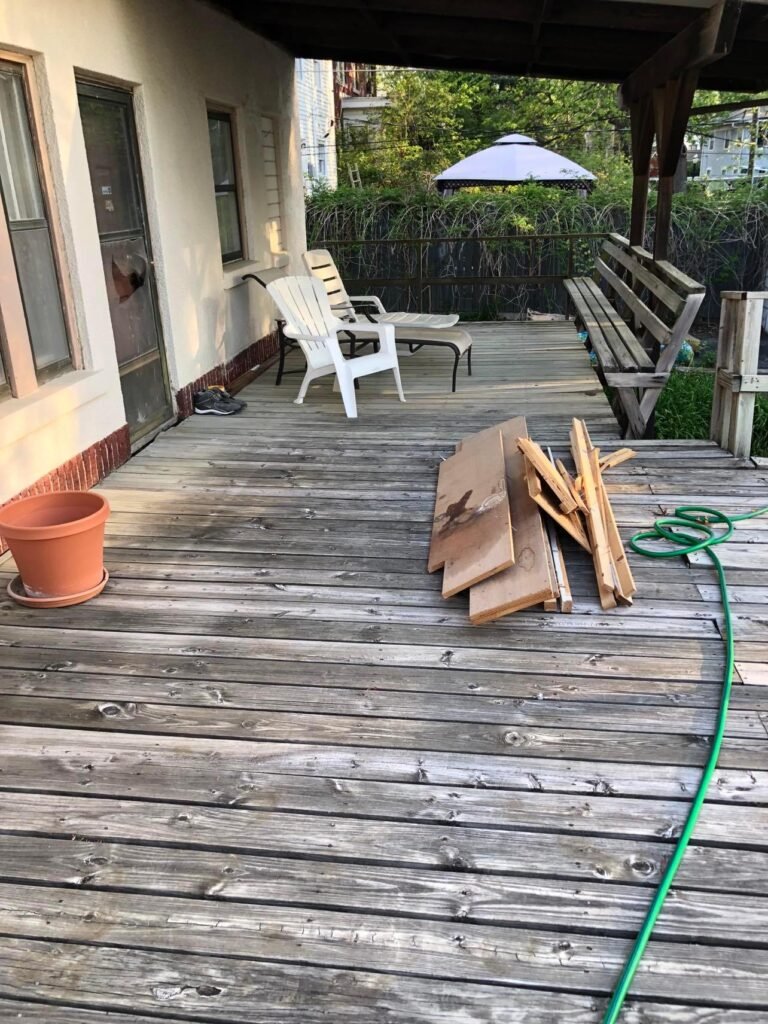
Your deck is more than an outdoor feature—it’s where family barbecues, weekend gatherings, and quiet evenings happen. But like any structure exposed to Kansas City’s changing seasons, a deck won’t last forever without proper care. Heat, humidity, rain, snow, and temperature swings gradually weaken wood, fasteners, and support components.
The challenge is that many deck problems begin long before they’re obvious. A deck may appear fine from the surface while hidden structural damage develops underneath. Catching these issues early can often mean the difference between a straightforward repair and a complete replacement.
This guide covers the most common warning signs homeowners should watch for and explains when it’s time to call a professional.
Why Deck Inspections Matter in Kansas City
Kansas City’s climate creates unique challenges for outdoor wood structures. Summer heat causes expansion, while winter freezes force moisture trapped inside wood fibers to expand. Add spring rains and humid conditions, and decks experience continuous stress throughout the year.
Routine inspections help identify:
- Rot before it spreads
- Loose structural connections
- Water damage
- Insect activity
- Safety hazards
- Surface deterioration
Even newer decks benefit from annual inspections because environmental exposure affects every material over time.
1. Soft or Spongy Deck Boards
One of the earliest warning signs is wood that feels soft underfoot.
Healthy deck boards should feel solid and stable. If certain areas seem springy, sink slightly, or feel unusually soft, moisture has likely penetrated the wood.
Common causes include:
- Water pooling
- Poor drainage
- Failing stain or sealer
- Long-term moisture exposure
Ignoring soft boards can eventually lead to structural failure, especially in high-traffic areas like stairs and entry points.
2. Visible Wood Rot
Wood rot rarely stays in one place.
Look for signs such as:
- Dark discoloration
- Crumbling wood fibers
- Mushroom-like growth
- Splitting around fasteners
- Hollow sounding boards
Rot commonly begins where moisture remains trapped, including:
- Around posts
- Beneath railings
- Near stairs
- Along ledger boards
Professional repairs often involve replacing only damaged sections if the issue is caught early.
3. Loose or Wobbly Railings
Railings are a critical safety component.
If they move when pressure is applied, immediate attention is necessary.
Loose railings may result from:
- Rusted fasteners
- Rotting posts
- Weak framing
- Improper installation
Children and older adults rely heavily on sturdy railings, making this one of the highest-priority repairs.
4. Cracked, Split, or Warped Boards
Wood naturally expands and contracts with weather changes.
Over time, this movement can create:
- Deep cracks
- Long splits
- Twisted boards
- Raised edges
- Warping
Besides looking unattractive, damaged boards become trip hazards and allow additional moisture into the deck structure.
Replacing individual boards is usually much less expensive than rebuilding the entire deck.
5. Rusty or Popped Fasteners
Your deck depends on hundreds of screws, bolts, nails, and connectors.
Watch for:
- Rust stains
- Nails backing out
- Loose screws
- Missing hardware
- Corroded brackets
Rust weakens metal components and reduces their holding strength.
Modern deck repairs often replace outdated hardware with corrosion-resistant fasteners designed for outdoor use.
6. The Deck Feels Unstable
A deck should never bounce or sway.
If movement occurs while people walk across it, structural problems may exist underneath.
Potential causes include:
- Weak joists
- Damaged beams
- Settling footings
- Loose ledger connections
Structural movement should always be evaluated promptly since these issues affect the deck’s overall safety.
7. Peeling Stain or Paint
The protective coating on your deck serves an important purpose.
When stain begins peeling or fading, the wood underneath becomes vulnerable to:
- UV damage
- Water absorption
- Mold growth
- Surface cracking
Many homeowners assume staining is cosmetic, but it’s actually one of the most effective forms of preventive maintenance.
Before applying a fresh coat, professionals typically clean, power wash, and sand the surface to ensure proper adhesion.
8. Mold, Mildew, or Algae Growth
Green, black, or dark patches often indicate trapped moisture.
Besides creating slippery surfaces, mold and mildew accelerate wood deterioration.
You’ll commonly notice growth in:
- Shaded areas
- Under furniture
- Along stairs
- Near landscaping
Professional deck cleaning and power washing safely remove buildup without damaging the wood.
Regular cleaning also extends the life of stains and sealers.
9. Loose Stairs or Uneven Steps
Deck stairs experience more wear than nearly any other section.
Signs of trouble include:
- Shifting stairs
- Loose handrails
- Uneven risers
- Squeaking
- Cracked treads
Even minor stair damage can quickly become a serious fall hazard.
Fortunately, stair repairs often involve replacing only damaged components rather than rebuilding the entire staircase.
10. Your Deck Is More Than 15–20 Years Old
Age alone doesn’t determine whether a deck is unsafe, but it does increase the likelihood of hidden deterioration.
Older decks may have:
- Outdated construction methods
- Aging hardware
- Weathered framing
- Worn footings
- Multiple previous repairs
An inspection helps determine whether repairs remain practical or if replacement provides better long-term value.
Repair or Replace?
Not every damaged deck requires complete replacement.
Repair Is Often the Best Choice When:
- Damage is limited to a few boards
- Railings need reinforcement
- Surface wear is the main concern
- Structural framing remains solid
- Rot hasn’t spread extensively
Replacement May Be Better When:
- Structural framing has failed
- Extensive rot affects multiple areas
- Repairs exceed a significant portion of replacement costs
- The deck no longer meets current building standards
- Homeowners want a larger layout or low-maintenance materials
A professional assessment can identify the most cost-effective solution based on the deck’s condition.
Preventive Maintenance Tips
Routine maintenance greatly extends a deck’s lifespan.
A good maintenance schedule includes:
- Inspecting the deck every spring and fall
- Cleaning debris from between boards
- Washing away dirt and mildew annually
- Applying stain or sealer every few years as needed
- Tightening loose hardware
- Checking railings and stairs regularly
- Trimming vegetation to improve airflow
Preventive care helps reduce repair costs and keeps the deck looking its best year-round.
Frequently Asked Questions
How often should a deck be inspected?
A thorough inspection at least once a year is recommended, with additional checks after severe storms or harsh winters.
Can rotten deck boards be repaired?
Minor localized rot can often be addressed by replacing affected boards. Extensive rot may require repairs to framing or support structures.
Is power washing safe for wood decks?
Yes, when performed using the correct pressure settings and techniques. Excessive pressure can damage wood fibers, so professional cleaning is often recommended.
What’s the difference between staining and sealing?
Stain adds color while helping protect against UV damage. Sealers primarily provide moisture resistance. Many modern products combine both functions.
How long does a wood deck typically last?
A well-built and properly maintained wood deck often lasts 15 to 30 years, depending on materials, climate, and ongoing maintenance.
Final Thoughts
Small deck problems rarely stay small. Loose railings, soft boards, peeling finishes, and minor structural issues become more expensive—and more dangerous—when left unaddressed.
Regular inspections and timely repairs help preserve your investment, improve safety, and extend the life of your outdoor living space. Whether your deck needs a few replacement boards, fresh staining, or structural reinforcement, addressing problems early is almost always the most practical and cost-effective approach.
By understanding these ten warning signs, Kansas City homeowners can make informed decisions and keep their decks safe, attractive, and ready to enjoy throughout every season.