
Why Deck Power Washing Before Staining Is Essential for Long-Lasting Results
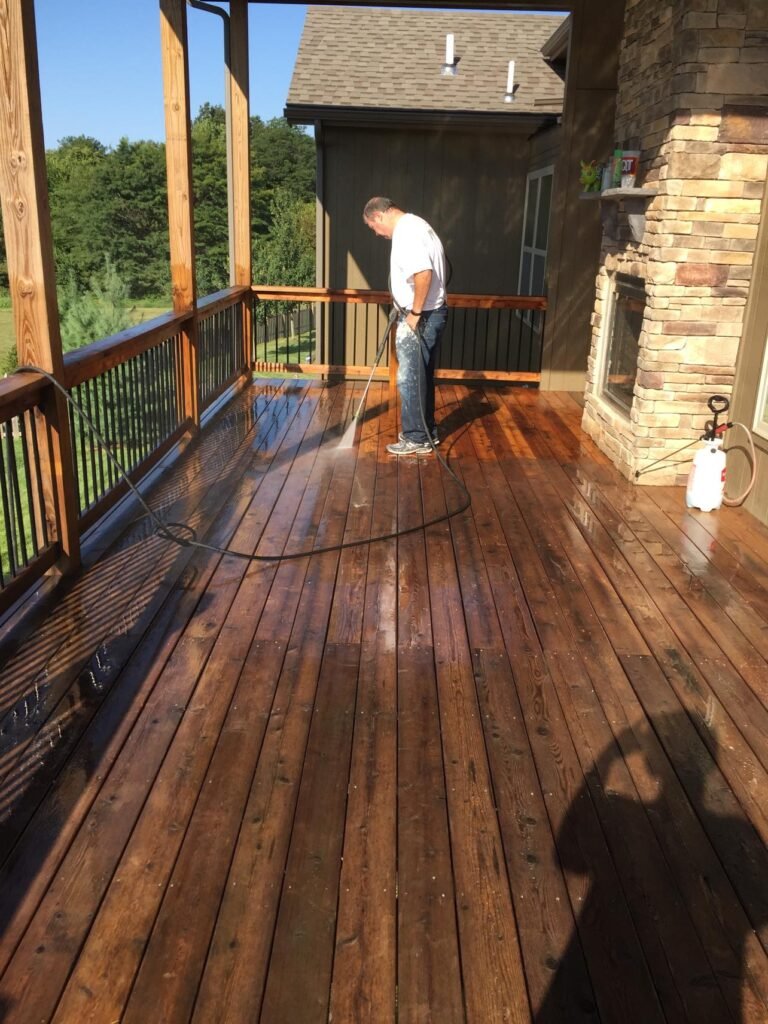
A fresh coat of deck stain can dramatically improve the appearance of your outdoor space, but even the highest-quality stain won’t perform well if it’s applied to a dirty surface. Many homeowners invest in premium stains and sealers only to see peeling, fading, or uneven finishes within a year because they skipped one critical step—power washing.
Power washing is more than just cleaning. It removes dirt, mildew, algae, pollen, old stain residue, and contaminants that prevent new stain from bonding properly to the wood. When done correctly, it prepares the surface, improves stain penetration, and significantly extends the life of your deck finish.
Whether you’re refreshing an older deck or staining a newly repaired one, understanding why power washing comes first can save time, money, and future maintenance.
Why Surface Preparation Matters
Think of deck stain like paint. No matter how premium the product is, it won’t adhere properly to a dirty or contaminated surface.
Over time, decks collect:
- Dirt and dust
- Mold and mildew
- Algae
- Tree sap
- Pollen
- Bird droppings
- Grease from grills
- Weathered wood fibers
These contaminants create a barrier between the wood and the stain, preventing proper absorption.
Proper preparation allows the stain to soak into the wood instead of sitting on top of debris.
What Does Deck Power Washing Actually Do?
Power washing uses pressurized water to clean the wood surface thoroughly.
When performed with the correct pressure and technique, it removes:
- Surface dirt
- Embedded grime
- Mold
- Mildew
- Loose wood fibers
- Flaking stain
- Algae growth
The goal isn’t simply to make the deck look cleaner—it’s to create a stable surface that accepts stain evenly.
Professional deck cleaning often combines power washing with specialized wood cleaners that break down organic growth without damaging the lumber.
Benefits of Power Washing Before Staining
1. Removes Dirt That Blocks Stain Absorption
Even if a deck appears clean, microscopic dirt particles remain inside the wood grain.
When stain is applied over dirt:
- Penetration decreases
- Coverage becomes uneven
- Color varies across boards
- Adhesion weakens
Power washing exposes clean wood fibers, allowing the stain to penetrate deeper.
2. Eliminates Mold and Mildew
Kansas City’s humid summers create ideal conditions for mold and mildew.
These organisms don’t just discolor wood—they continue growing beneath fresh stain if they’re not removed first.
Power washing helps eliminate:
- Black mildew stains
- Green algae
- Mold spores
- Organic buildup
This results in a healthier deck surface and longer-lasting stain.
3. Removes Peeling Old Stain
One of the biggest reasons new stain fails is leftover deteriorating stain.
Loose finish prevents new products from bonding directly to the wood.
Power washing helps remove:
- Flaking stain
- Loose paint
- Oxidized coatings
- Surface residue
In cases where heavy coatings remain, sanding or stripping may also be recommended.
4. Opens the Wood Grain
Weathered wood develops compacted fibers over time.
Power washing gently opens the grain, allowing stain to penetrate more effectively.
Benefits include:
- Better color consistency
- Improved moisture protection
- Stronger adhesion
- Longer finish life
This is especially important for older wood decks that have experienced years of weather exposure.
5. Improves the Appearance of the Finished Deck
A clean surface produces a more uniform finish.
Without proper cleaning, stain may appear:
- Blotchy
- Streaked
- Patchy
- Uneven in color
Power washing creates a consistent surface that enhances the wood’s natural beauty.
What Happens If You Skip Power Washing?
Skipping this step often leads to disappointing results.
Common problems include:
Premature Peeling
Stain applied over dirt or old coatings separates from the surface much sooner.
Uneven Color
Areas with contamination absorb stain differently, creating noticeable color variations.
Reduced Lifespan
A stain expected to last several years may begin failing after only one season.
Trapped Moisture
Debris and mildew beneath the stain trap moisture inside the wood, accelerating deterioration.
More Frequent Maintenance
Poor preparation usually means the deck needs refinishing sooner, increasing long-term maintenance costs.
When Should You Power Wash Before Staining?
Timing is important.
After washing, the deck needs adequate drying time before stain is applied.
Most professionals recommend waiting:
- 24–48 hours during warm, dry weather
- Longer during humid or cool conditions
Applying stain to damp wood reduces penetration and may cause peeling.
Moisture levels should be appropriate before staining begins.
Can Power Washing Damage a Deck?
Yes—but only when done incorrectly.
Using excessive pressure can:
- Gouge wood fibers
- Create fuzzy surfaces
- Leave visible marks
- Damage softwood decking
Professional contractors adjust pressure based on:
- Wood species
- Deck age
- Overall condition
- Previous coatings
Proper technique is just as important as the equipment itself.
Should You Sand After Power Washing?
Sometimes.
Power washing may raise the wood grain slightly, particularly on older decks.
Light sanding helps:
- Smooth rough fibers
- Improve stain absorption
- Enhance appearance
- Create a comfortable walking surface
Many deck restoration projects include:
- Power washing
- Drying
- Sanding
- Staining
- Sealing
This process produces the best long-term results.
Choosing the Right Deck Stain
Cleaning prepares the surface, but selecting the right stain is equally important.
Common stain options include:
Transparent Stain
- Highlights natural wood grain
- Minimal color
- Requires more frequent maintenance
Semi-Transparent Stain
- Popular for residential decks
- Provides UV protection
- Maintains visible wood texture
Semi-Solid Stain
- Richer color
- Better weather protection
- Hides minor imperfections
Solid Stain
- Maximum coverage
- Excellent UV resistance
- Resembles paint while penetrating the wood
The ideal choice depends on the deck’s age, wood condition, and desired appearance.
How Often Should a Deck Be Power Washed?
Most wood decks benefit from annual cleaning.
Factors affecting cleaning frequency include:
- Heavy foot traffic
- Nearby trees
- Humidity
- Direct sunlight
- Exposure to rain and snow
Regular cleaning helps prevent dirt buildup and extends the lifespan of future stain applications.
Signs Your Deck Needs Cleaning Before Staining
Watch for these indicators:
- Gray or weathered wood
- Black mildew spots
- Green algae growth
- Dirt buildup
- Water no longer beads on the surface
- Fading stain
- Peeling finish
If any of these signs are present, cleaning should come before applying new stain.
DIY vs. Professional Deck Power Washing
Many homeowners rent pressure washers, but professional service often produces safer, more consistent results.
DIY Advantages
- Lower upfront cost
- Flexible scheduling
- Suitable for lightly soiled decks
Professional Advantages
- Proper pressure settings
- Commercial-grade equipment
- Thorough cleaning
- Reduced risk of wood damage
- Faster project completion
For older or heavily weathered decks, professional cleaning is often the safest option.
Tips for Longer-Lasting Deck Stain
To maximize the lifespan of your finish:
- Clean the deck annually
- Power wash before every staining project
- Allow adequate drying time
- Replace damaged boards before staining
- Use high-quality stain and sealer
- Keep leaves and debris off the deck
- Move planters periodically to prevent trapped moisture
- Inspect the deck each spring and fall
Consistent maintenance can significantly extend both the wood’s lifespan and the appearance of the finish.
Frequently Asked Questions
Can I stain a deck without power washing?
It’s possible, but not recommended. Dirt, mildew, and old finishes reduce stain adhesion and shorten the life of the coating.
How long should I wait after power washing before staining?
Most decks require 24 to 48 hours of drying under favorable weather conditions. Cooler or humid weather may require additional drying time.
Is power washing better than scrubbing by hand?
Power washing provides a deeper, more consistent clean and removes embedded contaminants that manual scrubbing often leaves behind.
Should every deck be sanded after power washing?
Not always. If the wood becomes rough or the grain raises after washing, light sanding helps create a smoother surface before staining.
How often should I stain my deck?
Most wood decks benefit from restaining every two to four years, depending on weather exposure, foot traffic, and the type of stain used.
Final Thoughts
Power washing is one of the most important steps in any successful deck staining project. It removes dirt, mold, mildew, and deteriorating finishes while preparing the wood to absorb stain evenly. Skipping this preparation often leads to uneven color, premature peeling, and more frequent maintenance.
Whether you’re restoring an aging deck or protecting a newer one, taking the time to properly clean the surface before staining delivers better appearance, stronger protection, and longer-lasting results. A well-prepared deck not only looks better but also stands up to years of weather and everyday use with far less upkeep.